




Blog
Why Your AC May Start Leaking Water Before Spring in Sacramento
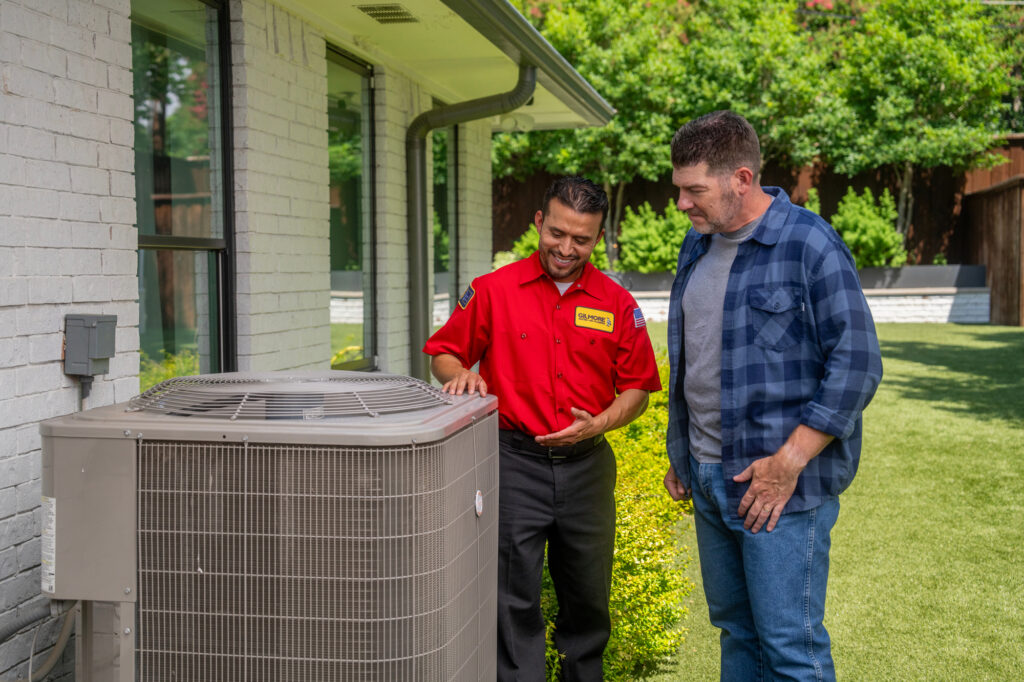
AC is leaking water in Sacramento homes more often this time of year than many homeowners expect. It catches a lot of people off guard. You have not been running your air conditioner much yet, and suddenly you notice water near the unit. The first thought is usually, “Why now?”
In Sacramento, that timing actually makes sense. Late winter and early spring bring cool nights and warmer afternoons. Systems begin cycling again after months of lighter use, and that seasonal shift is often when an AC leaking water becomes noticeable.
This article explains why leaks show up during seasonal transitions, what is typically behind an air conditioner leaking water, and when it is worth taking a closer look.
Why AC Leaks Often Show Up During Seasonal Transitions
Air conditioners remove humidity from the air as they cool. That moisture collects on the evaporator coil and drains away through the AC condensate drain line. During steady summer operation, the system manages that moisture consistently.
In early spring, Sacramento often sees cool mornings followed by warmer afternoons. Your system may run intermittently, then sit idle, then run again. That stop and start pattern can highlight minor drainage issues that went unnoticed before.
After a winter of limited use, debris can settle in drain lines. Dust can accumulate on coils. When the system starts running again, water flow may not move as smoothly as it does during peak season.
An AC leaking water during seasonal transition is often tied to that restart cycle rather than a sudden failure.
Common Reasons an AC Starts Leaking Water
Several conditions can contribute to visible moisture around your system.
Condensate drain line issues
The AC condensate drain carries water away from the indoor unit. Over time, algae, dust, or debris can partially block that line. When water cannot drain properly, it backs up and may overflow into the drain pan or surrounding area. This is one of the most common AC water leak causes in spring.
Dirty air filters or coils
Restricted airflow from a dirty filter can cause the evaporator coil to get colder than intended. In some cases, this can lead to excess condensation or light icing. When that ice melts, it may appear as sudden pooling water.
Improper drainage or pan buildup
Sediment can collect in the drain pan over time. If the pan does not drain efficiently, normal condensation may become visible as an AC leaking water inside the home.
These are contributing factors, not immediate diagnoses. Seasonal timing often exposes minor drainage weaknesses.
Where Homeowners Usually Notice the Water First
In Sacramento homes, water is typically noticed:
- Near the indoor air handler
- Around ceiling vents
- In garages or utility closets
- Along visible sections of the drain line
An AC leaking water inside often appears as a small puddle, damp drywall, or staining near vents.
Outdoor unit moisture is usually normal condensation evaporating. Indoor moisture deserves closer observation.
When AC Water Leaks Are Normal- and When They Are Not
Some condensation is expected. Air conditioners are designed to produce moisture. During warm afternoons, you may see steady drainage from the line.
It becomes more concerning when:
- Water pools rather than drains
- Moisture appears inside living areas
- Leaks continue even when the system is off
- Musty odors develop
If water is pooling near electrical components or continues dripping beyond normal operation, that may warrant emergency AC repair to prevent additional moisture issues.
Condensation is normal. Persistent interior leakage is not.
How Seasonal Maintenance Helps Prevent Future Leaks
Routine inspections help reduce drainage surprises. A seasonal cooling visit typically includes checking the AC condensate drain, inspecting coils, and confirming proper airflow.
In Sacramento, scheduling HVAC maintenance before peak cooling demand helps address minor issues early. Keeping drain lines clear and airflow balanced reduces the chance of your HVAC leaking water once temperatures rise.
Seasonal upkeep works much like other home system checkups. Many homeowners schedule cooling maintenance and tune ups before summer usage increases. Addressing systems proactively reduces mid season stress.
Getting Help with an AC Water Leak in Sacramento
If moisture continues to appear, a technician can evaluate the drainage path and overall system condition. If needed, they may recommend steps to repair your AC system after identifying the source of the issue.
In older systems with recurring moisture problems, longer term options may be discussed, including professional AC replacement if drainage or coil concerns continue over multiple seasons.
Gilmore Heating, Air ,and Plumbing understands Sacramento’s seasonal patterns and how temperature swings affect cooling systems. If your AC is leaking water and you would like an evaluation, you can schedule online or call (530) 344-4515
Frequently Asked Questions
Light condensation is normal. Visible indoor pooling or ongoing leaks are not.
Yes. As temperatures warm, increased condensation can create noticeable dripping from the drain line.
If water is pooling indoors or near electrical components, turning the system off can prevent additional moisture buildup until it is evaluated.
Not always. Many early spring leaks relate to drainage or airflow adjustments rather than major system problems.